
Living lab to aid in the establishment of renewable energy sources and energy efficiency in rural regions.
Background
The reduction of energy consumption and expansion of renewable energy sources are both absolutely necessary to achieve the energy transition by 2030. The measures that are taken to do this need to be sensible and mesh with one another. For instance, the full electrification of heating and mobility necessitates the expansion of the power network.
The prerequisites for the energy transition differ between rural and urban areas. Rural regions are still highly dependent on private transport and have a high number of commuters. Additionally, the population decline experienced by rural communities raises the per-capita costs of expanding the power network. District and local heating systems are uncommon, with many people relying instead on individual heating systems. Although rural communities offer great potential for developing decentralized energy solutions through municipal networks, no holistic approach currently exists that enables the targeted and long-term efficient use of energy resources. Such energy networks can significantly contribute to the sustainable and cost-effective utilization of regional resources through the integration of renewable energy technologies.
Content
We analysed around 85 communities located in the southern Waldviertel in Lower Austria to identify the steps necessary towards municipal energy networks. Based on this analysis, we are developing holistic, digital and adaptable solutions to drive the transition to renewable energy. We bring together renewable energy sources, community energy groups, and local and district energy networks to develop integrated energy solutions that deliver economic, environmental, and social benefits. The RESET living lab specifically focuses on bidirectional charging stations, storage and heat pump systems and biogenic and solar installations.
Aims
The main goal of RESET is to contribute to the energy transition and reduce the reliance on fossil fuels in rural areas. To do this, the following sub-goals must be achieved:
- Reducing the energy requirements for heating and mobility.
- Supporting the population in replacing fossil fuels with renewable energy sources.
- Supporting the development and expansion of flexible, resilient energy networks with the help of intelligent controls.
- Developing infrastructure for measurement, control and data collection as a test environment for future research and innovations.
- Engaging the local population to foster acceptance of sustainable energy technologies.
Methods
RESET addresses a number of aspects of alternative energy generation and supply at different organisational levels, since decentralised energy solutions in rural regions involve individual buildings, entire communities and energy networks that extend beyond the boundaries of municipalities. This requires the use of various methods and tools. To plan new networks, we are using the OptEnGrid software and work on expanding its functionality so that optimal technology portfolios, as well as measures for retrofitting and increasing flexibility, can be calculated based on economic, regulatory and technological conditions. Interoperable data management takes care of the processing, analysing and use of energy-related data. Additionally, we employ machine learning to develop an adaptive and predictive energy management system that can forecast energy generation and consumption, optimise operations in real-time, and increase efficiency, resilience and stability. Ethnographic methods, design science research, and qualitative interviews help us understand the needs of the population and develop tailored solutions.
Innovation
Within the context of our project, we develop innovative system solutions for regional energy systems that cover the entire process chain. We incorporate OptEnGrid within these systems to facilitate real-time control and optimisation. RESET also expands the functionality of OptEnGrid by adding new modules for biogas, hydrogen technologies, and bidirectional charging stations. Additionally, we are conducting trials for the use of smart microgrid controllers (SMG).
The project will also create a living lab platform for public access. Private individuals and households may access a trial version of OptEnGrid and a monitoring programme through this platform. We will also provide information on opportunities regarding the participation and investment in regional energy and power projects.
You want to know more? Feel free to ask!
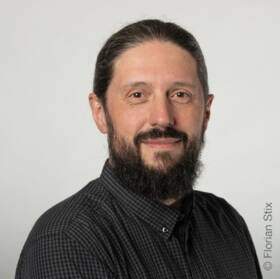
Department of Computer Science and Security
- BEST – Bioenergy and Sustainable Technologies GmbH
- eKUT GmbH
- Scheiber Solutions GmbH
- FH Wiener Neustadt
- Ing. Aigner Wasser-Wärme-Umwelt GmbH
- Gasokol
- Kompost & Biogas Verband Österreich
- UBOS GmbH
- Kurt Leonhartsberger e.U.
- Lemp Energietechnik KG
- Reisenbauer Solutions GmbH
- Oekostrom AG
- Energy Family GmbH